
Backyard privacy is often scarce in Charlotte neighborhoods. Homes sit closer. Streets stay louder. Outdoor space loses comfort fast. Smart landscaping restores separation while keeping lawns maintained and attractive. This guide explains practical privacy solutions tailored to Charlotte’s properties, climates, and lot layouts.
Table of Contents
- Why Backyard Privacy Matters for Charlotte Homes
- What Landscaping Features Create Backyard Privacy
- Tree Placement for Visual Separation
- Hardscape Privacy Features for Backyards
- How Landscaping Reduces Backyard Noise
- How to Add Privacy Without Closing a lawn In
- Privacy Solutions for Different Lawn Sizes
- DIY Privacy Landscaping vs Professional Design
- How Top Gardens Landscaping Designs Private Outdoor Spaces
- Conclusion
Why Backyard Privacy Matters for Charlotte Homes
Privacy improves outdoor usability. Visual separation reduces stress during daily routines. Noise buffering supports relaxation. Charlotte neighborhoods feature tighter zoning, mixed-use roads, and steady development pressure. Landscaping creates personal space without permanent construction or zoning conflicts.
What Landscaping Features Create Backyard Privacy
Landscaping blocks sightlines and softens sound through layered physical barriers. Effective privacy relies on height variation, density control, and placement relative to noise sources or neighboring windows.
Living Privacy Screens Using Plants
Living screens use vegetation for continuous coverage.
Hedges and Dense Plant Groupings
Dense hedge lines block views year-round when planted correctly. Growth habit matters. Evergreen species offer consistent coverage across seasons. Spacing determines long-term density. Crowded rows fail early.
Ornamental Grasses for Partial Screening
Tall grasses soften visibility without enclosing space. Movement adds visual interest. Seasonal height shifts allow airflow. Grasses suit patios needing separation rather than total isolation.
Tree Placement for Visual Separation
Trees create vertical separation without closing lawns completely.
Proper Spacing and Mature Size Planning
Tree selection must account for mature width. Overplanting causes root crowding. Correct spacing preserves health and sightline control.
Strategic Positioning Near Property Lines
Trees positioned near boundaries block elevated viewpoints. Placement should avoid shading conflicts or root interference
Hardscape Privacy Features for Backyards
Hardscape elements provide structure where planting alone falls short.
Low Walls and Decorative Privacy Barriers
Stone walls, retaining walls and architectural panels block sightlines while defining space. These features support layered designs when paired with plantings. Height stays controlled for HOA compliance.
Pergolas and Vertical Structures
Pergolas define seating zones visually. Slatted designs block angled views. Climbing plants enhance coverage gradually
How Landscaping Reduces Backyard Noise
Sound travels through open pathways. Landscaping interrupts movement patterns.
Plant Density and Sound Absorption
Leaves and branches diffuse sound waves. Layered vegetation performs better than single rows.
Berms and Elevation Changes
Raised planting beds and berms redirect sound paths. Combined with plants, they reduce traffic noise effectively
How to Add Privacy Without Closing a Lawn In
Privacy works best through staggered design.
Zoning Outdoor Areas
Divide lawn into functional zones rather than enclosing the entire space. Seating areas receive focused screening. The open lawn remains accessible.
Maintaining Light and Airflow
Offset layouts preserve sunlight. Partial barriers prevent trapped heat during the summer months.
Privacy Solutions for Different Lawn Sizes
Design varies by available space.
Small Urban Backyards
Vertical elements maximize separation without consuming ground area.
Large Suburban Properties
Layered plantings provide depth and gradual transitions.
Sloped or Uneven Lawns
Terracing supports privacy while stabilizing grade changes.
DIY Privacy Landscaping vs Professional Design
DIY installations often fail long-term.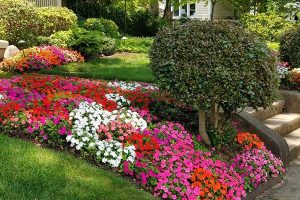
Common DIY Mistakes
Incorrect spacing causes plant failure. Poor material selection leads to repairs. Sightlines remain exposed due to layout errors.
Benefits of Professional Planning
Professional design considers growth patterns, maintenance demands, and zoning constraints. Results last longer.
How Top Gardens Landscaping Designs Private Outdoor Spaces
Top Gardens Landscaping evaluates each property individually. Designs address sightlines, noise sources, and lawn function. Plant selection reflects Charlotte’s conditions. Layout planning supports long-term performance rather than short-term coverage.
Conclusion
Backyard privacy improves comfort and usability across Charlotte homes. Landscaping offers flexible solutions without heavy construction. Thoughtful design balances separation with openness. Homeowners seeking lasting privacy benefit from professional planning. Top Gardens Landscaping provides custom backyard privacy solutions built for Charlotte living.
Request a free estimate today to start designing a more private outdoor space, or to add any landscape feature like yard drainage, retraining walls, mulch beds, and more.